
 CE Communities



































 English



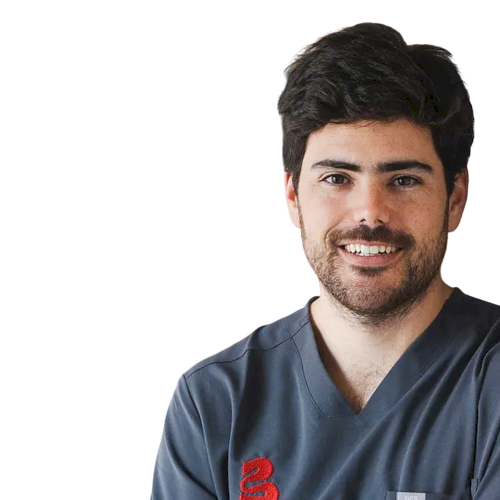
Nacho Fernández-Baca
Days
:
Hours
:
Minutes
:
Seconds

1CE
Live webinar


1CE
Live webinar


1CE
Live webinar


1CE
Live webinar

1CE
Live webinar





2CE
Live webinar







5CE
Live webinarnew LIVE webinars every month
dentists and dental professionals
from all over the globe
and watch hundreds of hours of dental videos
With more than 500,000 members, the DT Study Club is the world’s largest education-based online community in dentistry. It provides free-of-charge high-quality continuing education opportunities for all members of the dental team.
Registration is very easy. Enter your name and email address and choose a password. You will receive an email including a link to confirm your email address. Afterwards, you can log into the DT Study Club platform with your email address and password to sign up for upcoming live webinars and watch on-demand webinars.
Once logged in, you can sign up for any live or on-demand webinar. Simply click on “Sign up now” on the respective webinar page. You will receive an email with the webinar info. In case of a live webinar, you will receive another email as a reminder shortly before the start of the webinar. On-demand webinars can be viewed immediately.
After a live or archived webinar, please click on “CE quiz and CE certificate” on the respective webinar page and answer the multiple-choice questions. In order to pass the test, you must answer at least 75% of the questions correctly.
Once you have successfully completed the multiple-choice CE quiz, you can download and print your certificate.
In case you did not pass the CE quiz, you can watch the webinar again if necessary and repeat the quiz. It can be repeated two times. If you can answer at least 75% of the questions correctly, you will pass.

1CE
Dr. Anthony Mak, Prof. Marleen Peumans



1CE
Dr. Ioannis Vergoullis






 Tribune Group GmbH is an ADA CERP Recognized Provider.
ADA CERP is a service of the American Dental Association to assist dental professionals in identifying quality providers of continuing dental education. ADA CERP does not approve or endorse individual courses or instructors, nor does it imply acceptance of credit hours by boards of dentistry. This continuing education activity has been planned and implemented in accordance with the standards of the ADA Continuing Education Recognition Program (ADA CERP) through joint efforts between Tribune Group GmbH and Dental Tribune International GmbH, recognized through ADA CERP from 5/1/24 - 6/30/27.